Why Hydration Matters for Your Skin, and Why You Can Be Dehydrated Even When You Drink Enough Water
What hydrated skin does for elasticity, lines and oil balance, three reasons water alone is not enough, and the treatments that put moisture back in.
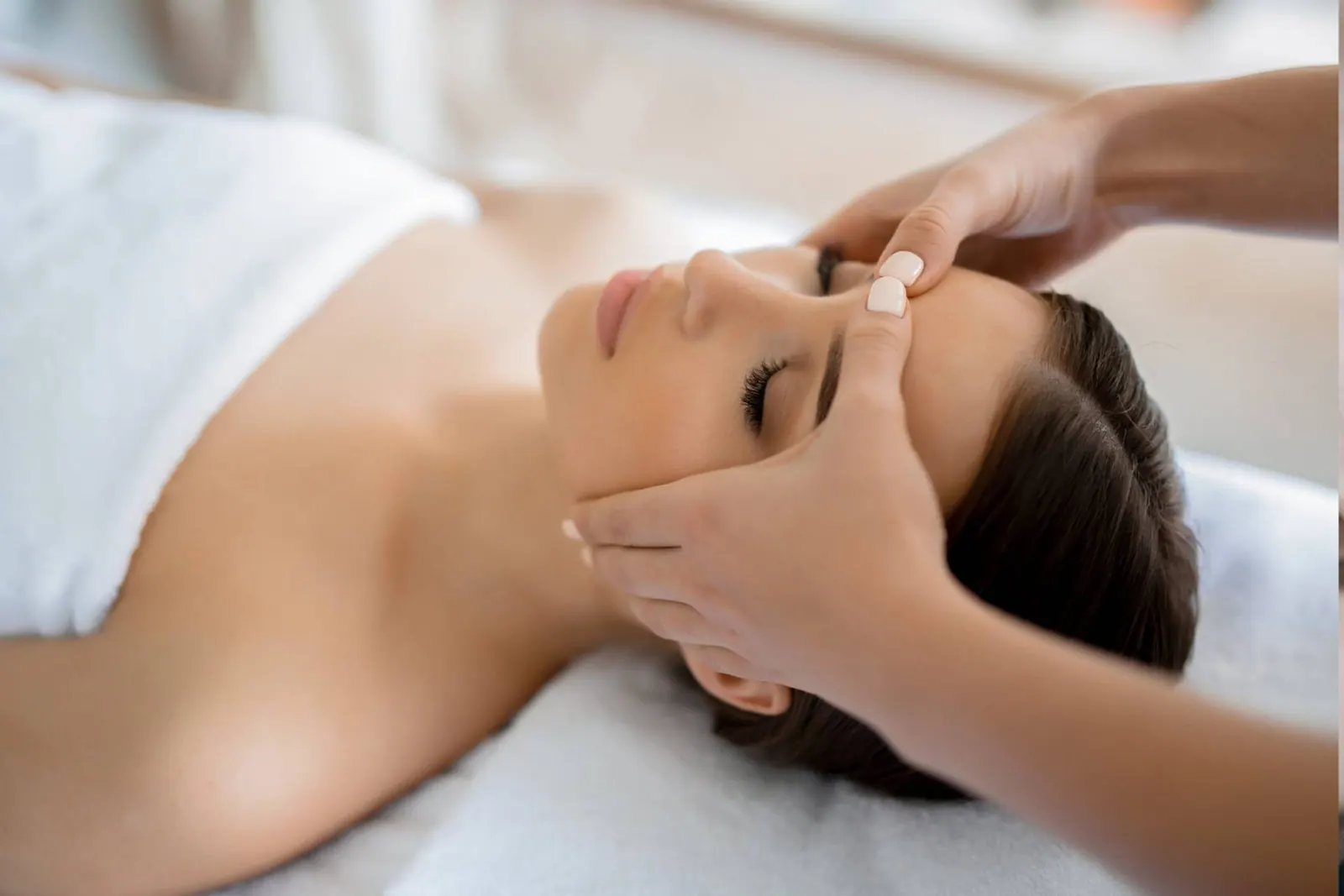
“But I drink three liters a day.” We hear it in almost every consultation, usually from someone whose skin is visibly dehydrated. Drinking water is necessary and it is not sufficient, and the gap between those two things explains a lot of tight, dull, prematurely lined skin.
Here is what hydration does for skin, why yours can still be short of it, and what actually helps.
What well-hydrated skin gives you
Elasticity. Elasticity is the skin’s ability to stretch and return to shape. When water content drops, skin loses that snap and starts to read as loose, creased or slack. Keeping it hydrated keeps it resilient.
Fewer visible lines. Dehydrated cells deflate, and fine lines appear on the surface long before there is any real structural aging underneath. Restore the water and those lines plump back out, often within days. It is the fastest visible improvement in skin care.
Balanced oil. This is the one that surprises people. Skin can be oily and dehydrated at the same time. When the barrier is short of water, the sebaceous glands compensate by producing more oil, so the shine and the tightness arrive together. Treating that skin as oily and stripping it makes it worse.
A stronger barrier. A hydrated barrier defends itself better against pollution, wind, salt air and irritants, and antioxidants work more effectively on skin that is not already compromised. Better barrier function also means calmer skin, fewer breakouts and less risk of the scarring that follows them.
Better circulation and clearer skin. Your skin is not a detox organ, whatever you have read. Your liver and kidneys handle that. What hydration genuinely does is support circulation and normal cell turnover, which is why well-hydrated skin looks brighter and heals faster.
Why you can drink plenty and still be dehydrated
1. Electrolyte imbalance
Water needs minerals to be absorbed and held where it is useful. If your diet is short on fruit and vegetables, you are short on sodium, potassium, magnesium and chloride, and much of what you drink passes straight through. Research has suggested that a liter of water with something to eat hydrates more effectively than two liters of plain water. Whole foods do more for your skin than the size of your bottle.
2. You sweat a lot
Every hard workout, sauna session and hot day costs you fluid and electrolytes together. Replacing only the fluid dilutes what is left. After intense exercise, an electrolyte drink, a fresh juice or a protein shake restores more than water alone. Avoid the heavily sugared versions, which come with their own cost to your skin.
3. Hydration takes time
Water you drink enters the circulatory system first and is distributed to tissues afterward. Skin, being the outermost tissue, is near the end of the queue. Drinking a liter at once does not hydrate your face by lunchtime. Steady intake through the day works better than a large drink to catch up.
And in La Jolla there is a fourth factor: sun, salt air, ocean swims and the dry Santa Ana winds pull water out of the skin barrier faster than most climates.
Putting the water back into the skin
Internal hydration sets the baseline. Topical and professional treatments are what raise the water content of the skin itself.
- Oxygen facial. Pressurized oxygen drives a serum of hyaluronic acid, vitamins and botanicals into the skin. Plumper texture and an even tone the same day.
- Sothys Institute treatment. A layered hydration protocol of ampoules, ceramide serums and masks, worked in with the Digi-Esthétique massage method.
- Rezenerate treatment. Nano-scale micro-channels in the very top layer let hydrating serums reach deeper, with no needles and no downtime.
- Professional peels. Clearing built-up dead cells lets everything you apply at home actually get in. Gentler and more controlled than the microdermabrasion clients often ask for.
- Hanakasumi body treatment. Exfoliation and a nourishing massage for the skin below the jawline, which gets dehydrated too.
At home, cleanse gently rather than stripping, apply hydrating serums to slightly damp skin, seal with a moisturizer, wear sunscreen daily, and exfoliate on a schedule instead of every day. Over-exfoliation is the most common cause of dehydrated skin we see.
Not sure whether your skin is dry, dehydrated or both? Book a facial and ask Tali. Every visit starts with a consultation, and you will leave knowing which one you are treating.